Speech Therapy Isn't Just About Speech
New Title

Speech Therapy Isn’t Just About “Speech”
When many parents hear speech therapy, they picture a child practicing sounds like R, S, or L—and while that can be part of therapy, it’s only a small piece of a much bigger picture.
In fact, even the kids we work with often call us the “speech teacher.” It makes sense—speech is right there in the name. But pediatric speech-language therapy goes far beyond pronunciation.
So what do speech-language pathologists (SLPs) really work on?
Let’s break it down.
Communication Is More Than Sounds
Speech sounds are about
how words are pronounced.
Language is about
how ideas are understood, organized, and shared.
Many children we support don’t have difficulty saying sounds clearly—they struggle with things like:
- Understanding directions
- Putting thoughts into words
- Finding the right words
- Telling stories or explaining ideas
- Participating in conversations
- Expressing needs, emotions, or frustrations
Speech therapy addresses how children communicate, not just how they talk.
What Pediatric SLPs Actually Work On
Here are just some of the areas speech-language pathologists support:
🧠 Language Development
- Understanding spoken language (receptive language)
- Using words, sentences, and grammar (expressive language)
- Answering questions and following directions
- Vocabulary growth and word retrieval
💬 Social Communication
- Taking turns in conversation
- Staying on topic
- Understanding social cues and perspectives
- Problem-solving during play and peer interactions
📚 Early Literacy Foundations
- Phonological awareness (rhyming, sound manipulation)
- Narrative skills (storytelling and sequencing)
- Language skills that support reading comprehension and writing
🍽️ Feeding & Swallowing
- Picky eating and limited food repertoires
- Oral-motor skills for chewing and swallowing
- Sensory responses related to food textures and tastes
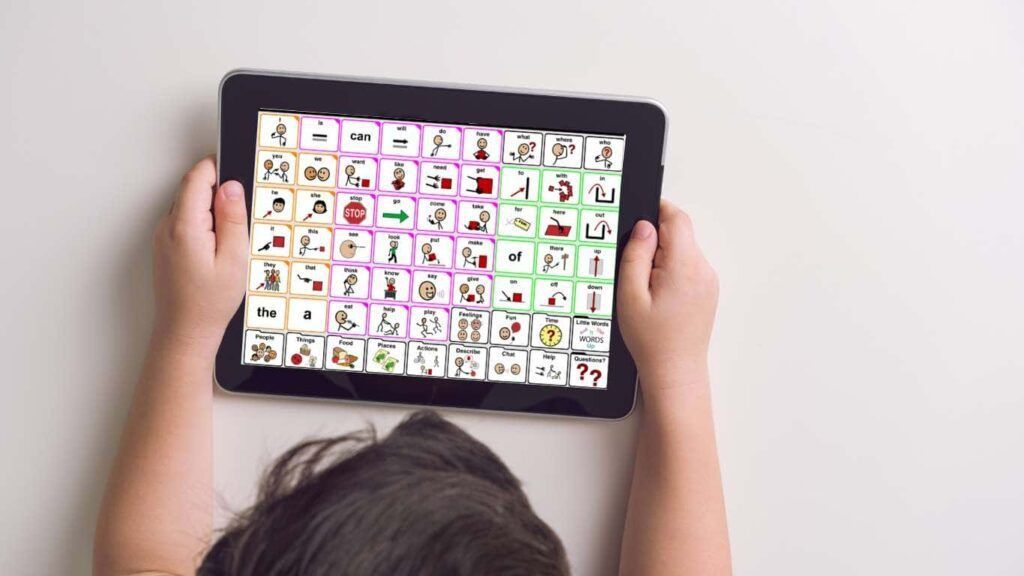
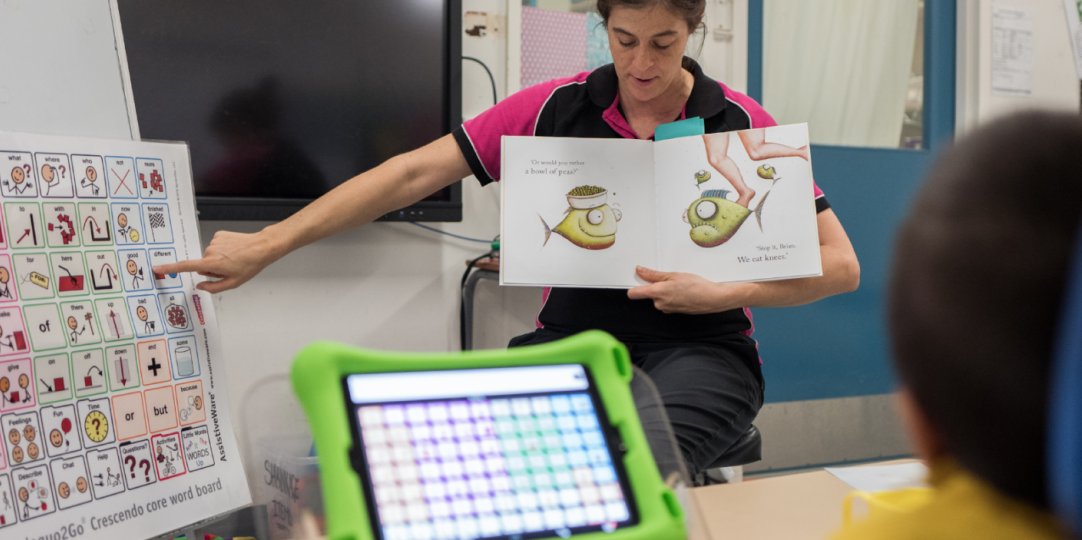
🤝 AAC & Alternative Communication
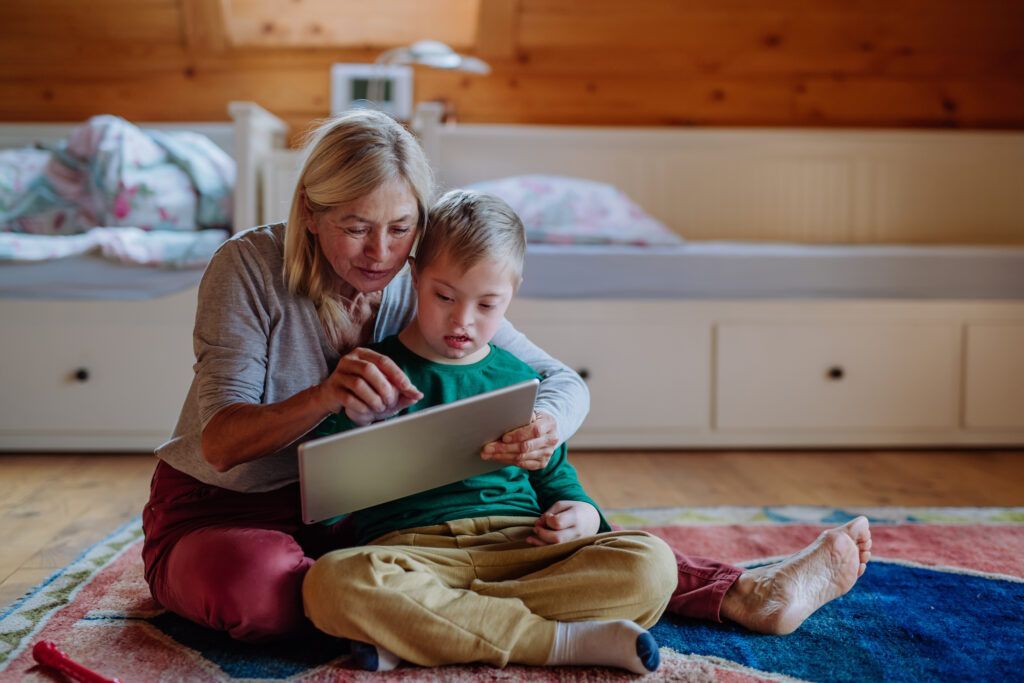
- Supporting children who use picture systems, devices, or gestures
- Helping families and schools learn how to model and support communication—without pressure
🗣️ Yes—Speech Sounds Too
- Articulation and phonological patterns
- Intelligibility and clarity
- Motor-based speech challenges
Speech sounds matter—but they’re often one piece of a larger communication puzzle.
Why This Matters for Parents
If a child is frustrated, withdrawn, acting out, or struggling at school, the root issue isn’t always “speech.”
Communication impacts:
- Behavior
- Learning
- Social relationships
- Confidence
- Emotional regulation
Speech-language therapy helps children feel understood and capable, not just sound clear.
Why Speech Therapy Often Looks Like Play
Another surprise for many families?
Speech therapy often looks like
games, stories, toys, and play.
That’s because children learn communication best:
- In meaningful contexts
- Through interaction
- When they feel safe and engaged
Behind the scenes, every activity is intentional—targeting skills that support real-life communication.
The Takeaway
Speech therapy isn’t just about how a child sounds.
It’s about how a child:
- Understands the world
- Connects with others
- Expresses thoughts, needs, and emotions
So even if your child calls us the “speech teacher,” know that our work reaches far beyond speech.
🌱 Wondering If Speech Therapy Could Help Your Child?
If you have questions about your child’s communication, language, feeding, or social development, we’re here to help you sort through what’s typical—and what might benefit from support.
Reach out to Bright Blooms Therapy to learn more or schedule a consultation.
Because communication is where connection—and confidence—begin.
Bright Blooms Therapy Blog