My Child Is a Picky Eater — What Can I Do?
Practical, Low-Pressure Strategies That Actually Help
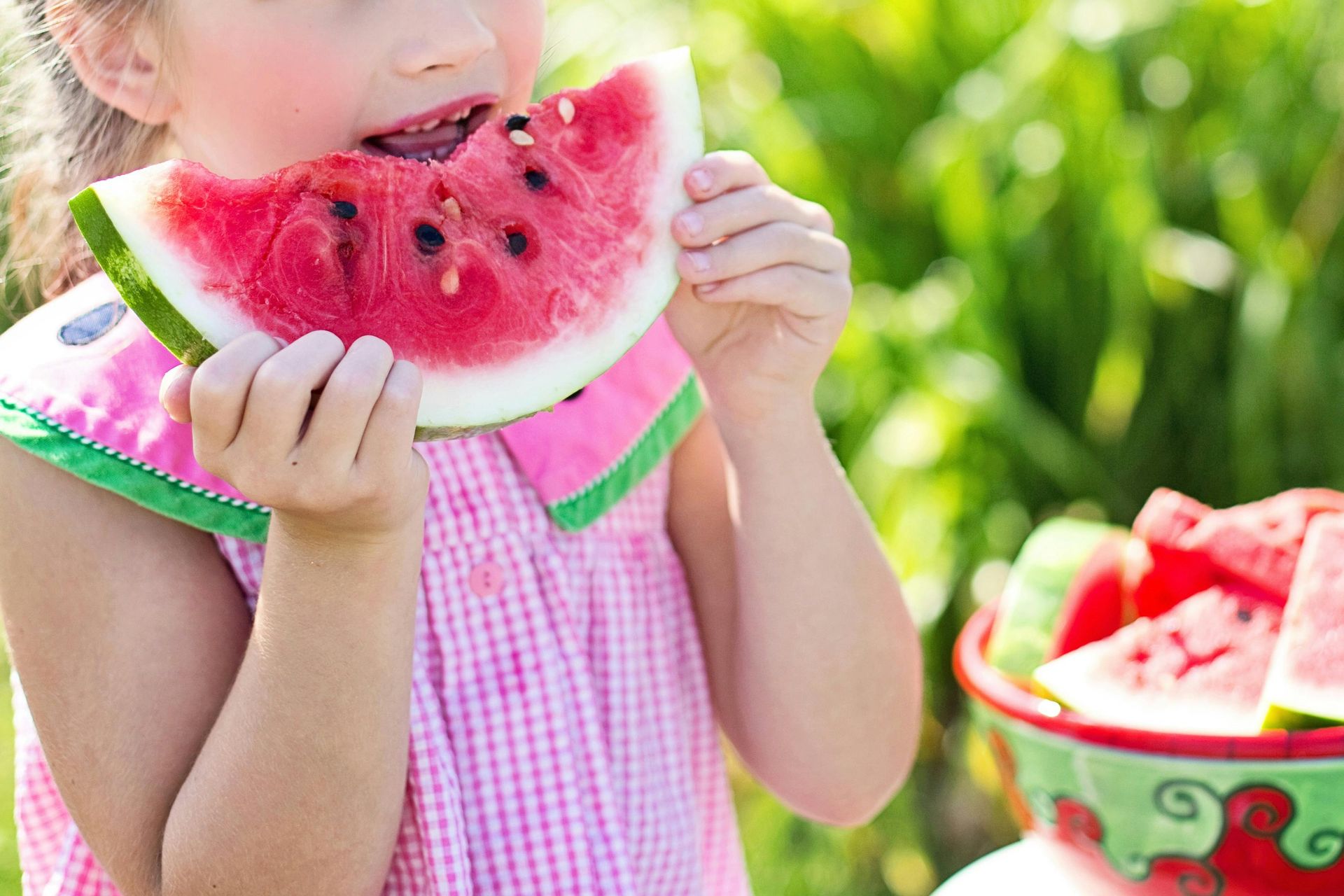
First—take a breath. Picky eating is common, especially in toddlers and preschoolers. Most children go through phases of preferring familiar foods, rejecting new ones, or eating inconsistently.
The goal isn’t to make your child eat everything. The goal is to create positive experiences with food so eating feels safe, predictable, and successful.
Here’s what does help.
1. Keep Mealtimes Predictable
Children feel safer when they know what to expect.
Try to:
- Offer meals and snacks at consistent times
- Sit together at the table when possible
- Limit grazing between meals
Predictable routines help children come to the table hungry—but not overly hungry—and reduce power struggles.
2. Offer One “Safe Food” at Every Meal
A safe food is something your child usually eats.
This:
- Reduces anxiety
- Prevents hunger meltdowns
- Makes it easier to tolerate new foods nearby
You don’t need to make a separate meal—just include one familiar option alongside new or less-preferred foods.
3. Repeated Exposure Matters (More Than Bites)
Children often need 10–20+ exposures to a food before eating it—and exposure does not mean eating.
Exposure can include:
- Seeing the food on the table
- Having it on their plate
- Touching, smelling, or licking it
- Playing with it during cooking
All of this counts as progress.
4. Remove Pressure to “Take a Bite”
Pressure—even well-intended—often backfires.
Try to avoid:
- “Just one bite”
- Bargaining or bribing
- Praising or reacting strongly when they eat or don’t eat
Instead, stay neutral and calm. Children are more likely to try foods when they feel in control.
5. Talk About Food Without Expectations
Describe food without judgment.
Examples:
- “This apple is crunchy.”
- “That sauce smells strong.”
- “These carrots are orange and smooth.”
Neutral language helps children build comfort without pressure.
6. Let Your Child Decide How Much to Eat
You decide:
- What foods are offered
- When meals and snacks happen
Your child decides:
- If they eat
- How much they eat
This division of responsibility supports trust and self-regulation.
7. Model, Don’t Monitor
Eat the same foods with your child when possible. Let them see you enjoy a variety of foods—without commenting on what they are or aren’t eating.
Modeling is one of the strongest influences on eating behavior.
8. Keep Portions Small
Large portions can feel overwhelming.
Start with:
- Very small servings (even one pea counts)
- More available if they want it
Small portions lower the emotional barrier to trying.
9. Be Patient With Texture Preferences
Some children are more sensitive to textures, temperatures, or mixed foods.
You can:
- Offer foods in different forms (raw vs cooked, smooth vs crunchy)
- Separate foods instead of mixing them
- Respect strong sensory reactions
Comfort comes before variety.
10. Know When to Ask for Help
These strategies work well for typical picky eating. It may be time to seek guidance if:
- Your child eats a very limited number of foods and isn’t expanding
- Entire food groups are avoided
- Gagging, distress, or mealtime meltdowns are common
- Mealtimes feel stressful every day
Early support can make eating easier for everyone—without pressure or force.
The Bottom Line
Picky eating doesn’t mean you’re doing anything wrong—and it doesn’t mean your child will always eat this way. With consistency, patience, and low-pressure support, most children expand their diets over time.
And if it feels harder than it should? You’re allowed to ask for help.
If you’d like support navigating picky eating or want to know whether your child could benefit from feeding guidance, we’re here to help.
Reach out to learn more about feeding screenings and family-centered support.
Bright Blooms Therapy Blog