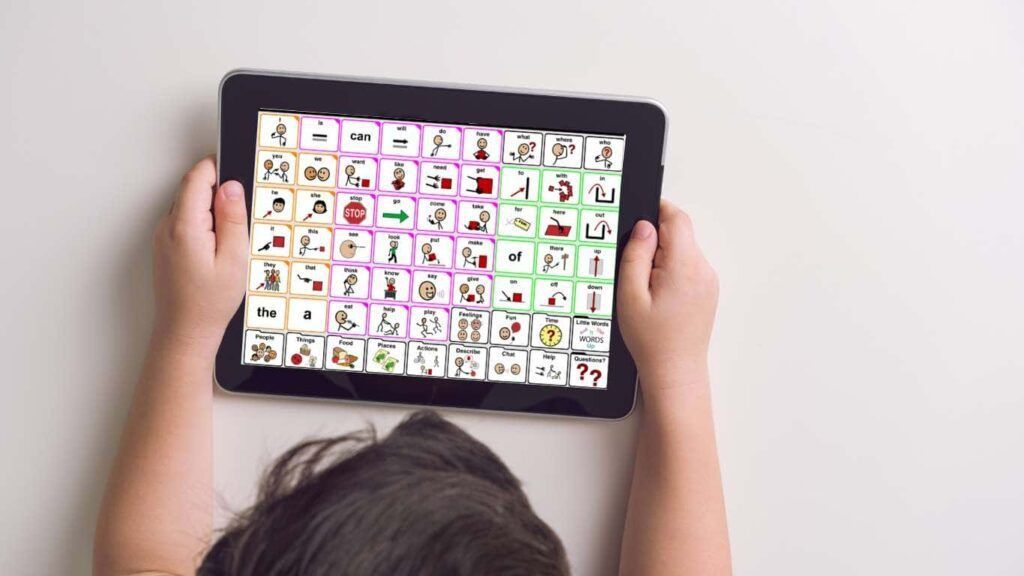
Why AAC Feels So Hard to Use at Home and School
And Why “Doing It Wrong” Is Actually Part of Doing It Right
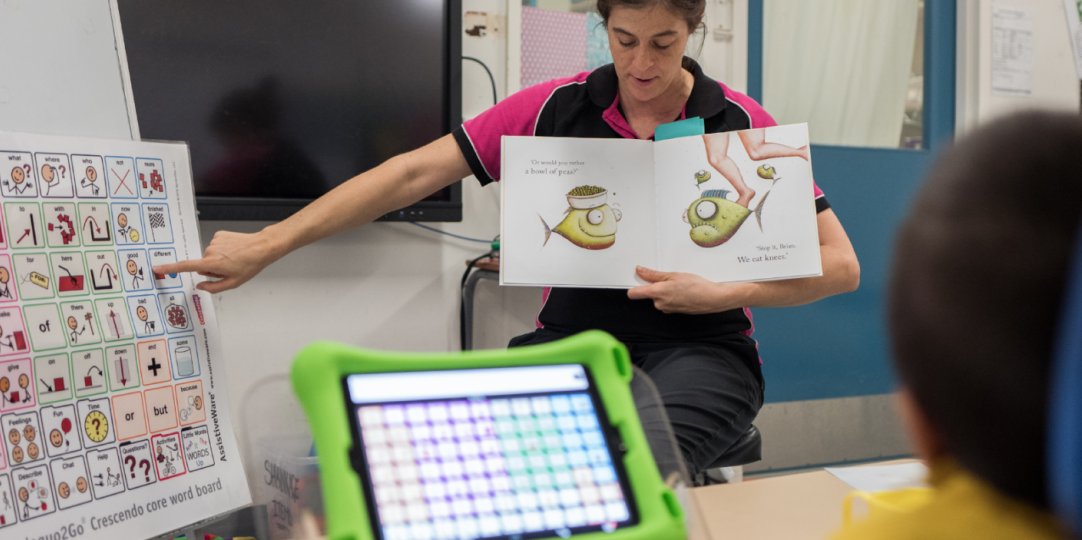
AAC is often recommended with the best intentions—and then quietly abandoned.
Not because families or teachers don’t care.
Not because AAC “doesn’t work.”
But because
AAC is new for everyone, and new things feel uncomfortable.
If you’ve ever thought:
- “I don’t want to mess this up.”
- “What if I model the wrong thing?”
- “I don’t know where the word is.”
- “I feel stupid using this.”
You’re not alone.
AAC Is New — And New Feels Awkward
For many families and educators, AAC is:
- A new device
- A new layout
- A new way of communicating
- A new role to learn
We don’t expect children to master AAC instantly—yet we often expect adults to.
The truth is: learning AAC is awkward at first. It’s supposed to be.
I can’t tell you how many times I’ve:
- Clicked the wrong button
- Taken too long to find a word
- Said, “Hold on, I’m still learning this.”
- Looked unsure in front of a child
That’s not failure. That’s learning.
The Fear of “Doing It Wrong” Stops More Progress Than Mistakes Ever Will
One of the biggest barriers to AAC success is the fear of messing up.
Adults worry:
- They’ll model incorrectly
- They’ll choose the wrong word
- They’ll confuse the child
- They’ll “ruin” AAC
So instead, the device gets:
- Put to the side
- Saved for therapy only
- Used rarely “until we know more”
And that’s where progress truly stalls.
AAC doesn’t fail because adults make mistakes.
AAC fails when it’s not used at all.
If You Can’t Find the Word — Say That
One of the simplest and most powerful things you can do is be honest.
If you can’t find a word, try saying:
- “I can’t find that yet.”
- “I’m still learning where this word is.”
- “Let’s look for it together.”
This teaches your child:
- Communication doesn’t have to be perfect
- Learning is allowed
- Mistakes are normal
- Persistence matters
You’re not confusing them—you’re modeling real communication.
Adults Are Allowed to Learn Out Loud
Children are constantly learning in front of us. AAC invites adults to do the same.
When you:
- Pause
- Try
- Make mistakes
- Laugh it off
- Keep going
You show your child that communication is safe—even when it’s imperfect.
That’s a powerful lesson.
Progress Comes From Use, Not Perfection
AAC success doesn’t come from:
- Perfect modeling
- Knowing every icon
- Using full sentences right away
It comes from:
- Consistency
- Curiosity
- Willingness to try
- Keeping the device available
Every time AAC is used—even imperfectly—your child is learning.
The Real Failure Isn’t Messing Up
The real failure isn’t clicking the wrong button.
The real failure isn’t taking too long.
The real failure isn’t feeling awkward.
The real failure is putting AAC away because it feels hard.
AAC is a language system. Language grows through use, exposure, and shared experience—not perfection.
A Final Thought for Families and Educators
You don’t need to be an AAC expert to be an effective communication partner.
You just need to:
- Keep trying
- Be patient with yourself
- Let learning be visible
- Stay curious instead of critical
If you’re learning AAC, you’re doing something brave—for your child and for yourself.
And that matters more than getting it “right.”
Bright Blooms Therapy Blog