The Benefits of AAC for Children with Childhood Apraxia of Speech
Supporting Communication While Speech Skills Grow
When a child has childhood apraxia of speech (CAS), they know what they want to say—but their brain has difficulty planning and coordinating the movements needed for clear speech. This can make speaking effortful, inconsistent, and frustrating, especially as language demands increase.
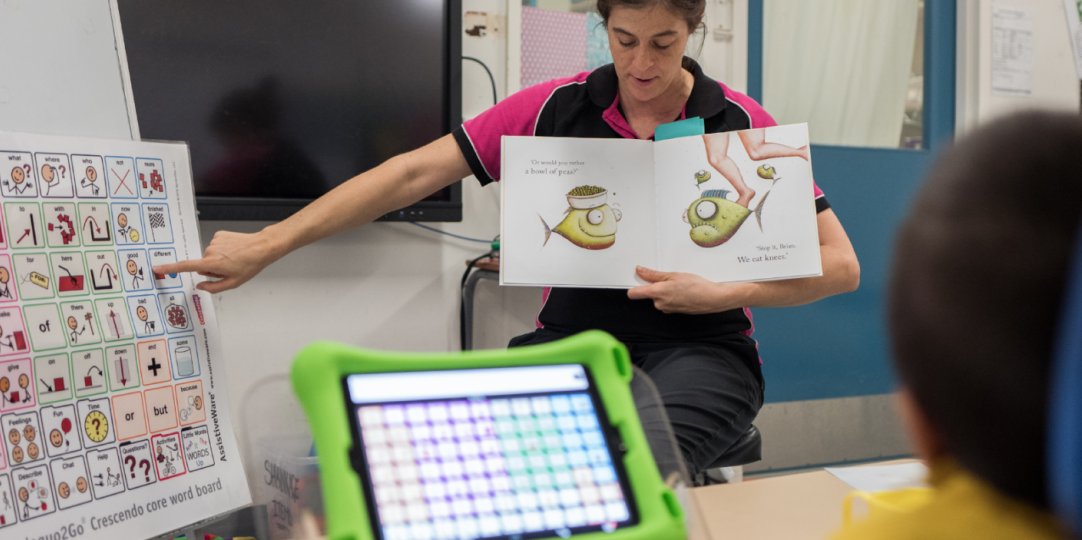
One powerful tool that supports children with apraxia is Augmentative and Alternative Communication (AAC). AAC does not replace speech—it supports communication while speech skills are developing.
What Is AAC?
AAC includes any method that helps a child communicate beyond spoken words. This may include:
- Gestures or signs
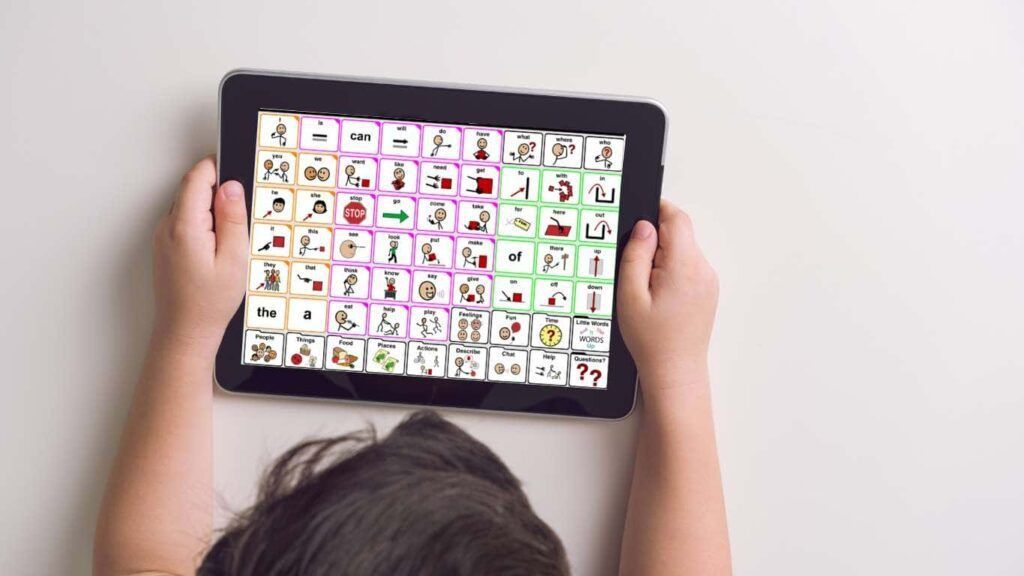
- Picture-based communication systems
- Speech-generating devices or tablet-based apps
- Communication boards or books
AAC can be temporary or long-term, and it is always tailored to a child’s individual needs.
Why AAC Is Especially Helpful for Apraxia of Speech
Children with apraxia often understand language well but struggle to express themselves verbally. AAC helps bridge that gap.
Key benefits include:
1. AAC Gives Children a Voice Right Now
AAC allows children to communicate their wants, needs, thoughts, and feelings without waiting for speech to be perfect. This reduces frustration and helps children participate more fully at home, school, and in social settings.
2. AAC Reduces Pressure and Supports Speech Development
Using AAC actually supports spoken language development. When children are able to communicate successfully, the pressure to “perform” speech decreases—making speech practice more effective and less stressful.
Research consistently shows that AAC does not prevent speech. In many cases, children increase their verbal attempts once communication becomes easier and more rewarding.
3. AAC Supports Language Development
Language and speech are not the same. AAC helps children:
- Build vocabulary
- Combine words into phrases
- Learn grammar and sentence structure
- Understand cause-and-effect in communication
These language skills are essential foundations for speech, literacy, and learning.
4. AAC Improves Social Connection and Confidence
When children can communicate successfully, they are more likely to:
- Engage with peers
- Participate in play and learning
- Advocate for themselves
- Feel confident and understood
AAC helps children be active participants—not passive observers—during everyday interactions.
5. AAC Can Be Used Alongside Speech Therapy
AAC is most effective when used together with speech therapy, especially for children with apraxia. Therapy focuses on motor planning for speech while AAC provides a reliable way to communicate across environments.
AAC can evolve over time as speech skills improve—often becoming less relied upon, but always available when needed.
Common Myths About AAC and Apraxia
“If my child uses AAC, they won’t talk.”
This is one of the most common concerns—and it’s not supported by research. AAC supports communication and often encourages more speech attempts.
“AAC is only for children who will never speak.”
AAC is for any child who needs support communicating—whether short-term or long-term.
“My child is too young for AAC.”
There is no minimum age for AAC. Early access to communication supports leads to better outcomes.
When to Consider AAC
AAC may be helpful if your child:
- Has limited or inconsistent speech
- Becomes frustrated when trying to communicate
- Understands more than they can say
- Has been diagnosed with or is suspected of having apraxia of speech
Early access to AAC can make a meaningful difference in communication, behavior, and emotional well-being.
How We Support AAC Use
We believe every child deserves a way to be heard. AAC is introduced thoughtfully and collaboratively—supporting speech development while honoring your child’s unique communication needs.
If you’re wondering whether AAC could benefit your child with apraxia of speech, we’re here to help.
Reach out to learn more about AAC evaluations, parent education, and individualized therapy support.
Bright Blooms Therapy Blog