Language Development in the First Year: Don’t Wait—Early Communication Starts Now
What’s Typical in the First Year—and When to Ask Questions
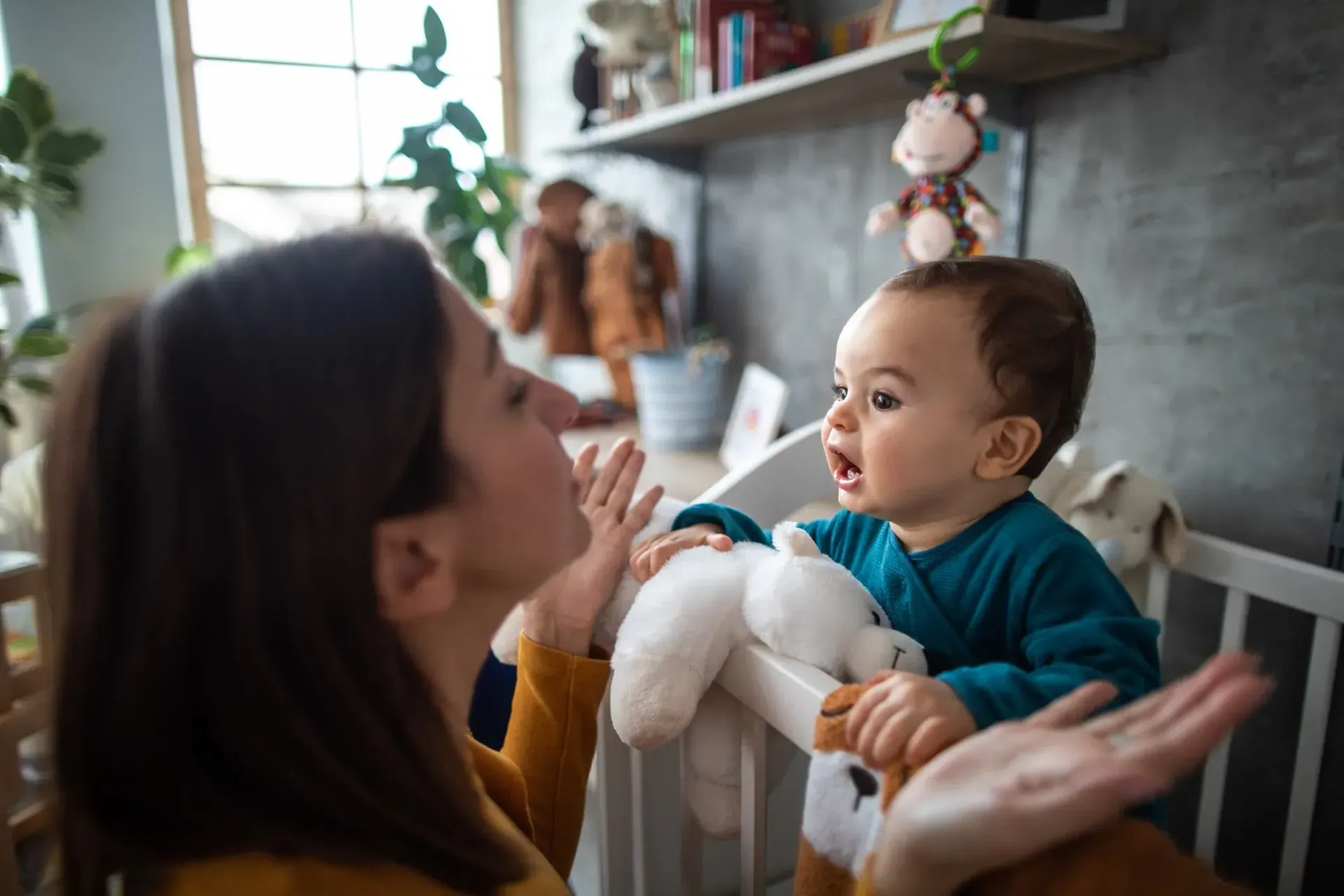
The first year of life is one of the most powerful periods for language development—even before a child says their first word. Long before toddlers talk, they are learning how communication works through sounds, eye contact, gestures, and interaction.
If you’ve ever wondered “Is my baby communicating the way they should?”—that question alone is worth paying attention to.
What Language Development Looks Like From 0–12 Months
Language development in infants is about connection before conversation. During the first year, babies typically:
- Respond to voices and sounds
- Make eye contact and smile socially
- Babble and experiment with sounds
- Use gestures like reaching, pointing, or waving
- Show interest in faces, voices, and interaction
These early skills lay the foundation for later speech and language. When they’re missing or limited, it can impact how easily words develop later on.
Common Signs Parents Notice (and Often Dismiss)
Many parents sense something early but are told it’s “too soon” to worry. Some early signs that are worth exploring include:
- Limited babbling or vocal play
- Rare eye contact or shared attention
- Minimal response to voices or sounds
- Little interest in interaction or back-and-forth play
- Few gestures like pointing, reaching, or showing
These signs don’t mean something is “wrong”—but they do mean an evaluation can be helpful.
Why “Waiting Until They Talk” Can Delay Support
Speech doesn’t start with words—it starts with interaction. Waiting until a child is expected to talk can mean missing months of opportunity to:
- Strengthen early communication skills
- Support social connection and engagement
- Prevent frustration later
Early support in infancy is gentle, play-based, and parent-focused—and often prevents bigger challenges down the road.
An Evaluation in the First Year Is Parent Coaching
For infants, a language evaluation is not drills or table work. It’s about:
- Understanding how your baby communicates right now
- Identifying strengths and emerging skills
- Teaching parents simple strategies to use during everyday routines
Early evaluations empower parents—they don’t label babies.
Trust Your Instincts—Even at This Age
If you find yourself thinking:
- “My baby is very quiet.”
- “They don’t really interact the way other babies do.”
- “Something feels off, but everyone says to wait.”
That instinct matters. Parents are often the first to notice subtle differences, especially in the first year.
The Bottom Line: Earlier Is Better
You do not need to wait for missed words, failed screenings, or a pediatric referral to ask questions.
Language development begins at birth—and early support can make a lifelong difference.
👉 If you have questions about your baby’s communication, a developmental evaluation can provide clarity, reassurance, and practical tools you can use right away. Trust your gut and take the next step—because early connection builds strong communication.
Bright Blooms Therapy Blog