Language Development From 3–4 Years: When Communication Should Be Clearer—and Why Waiting Can Hold Kids Back
Because Clear Communication Matters Before Kindergarten
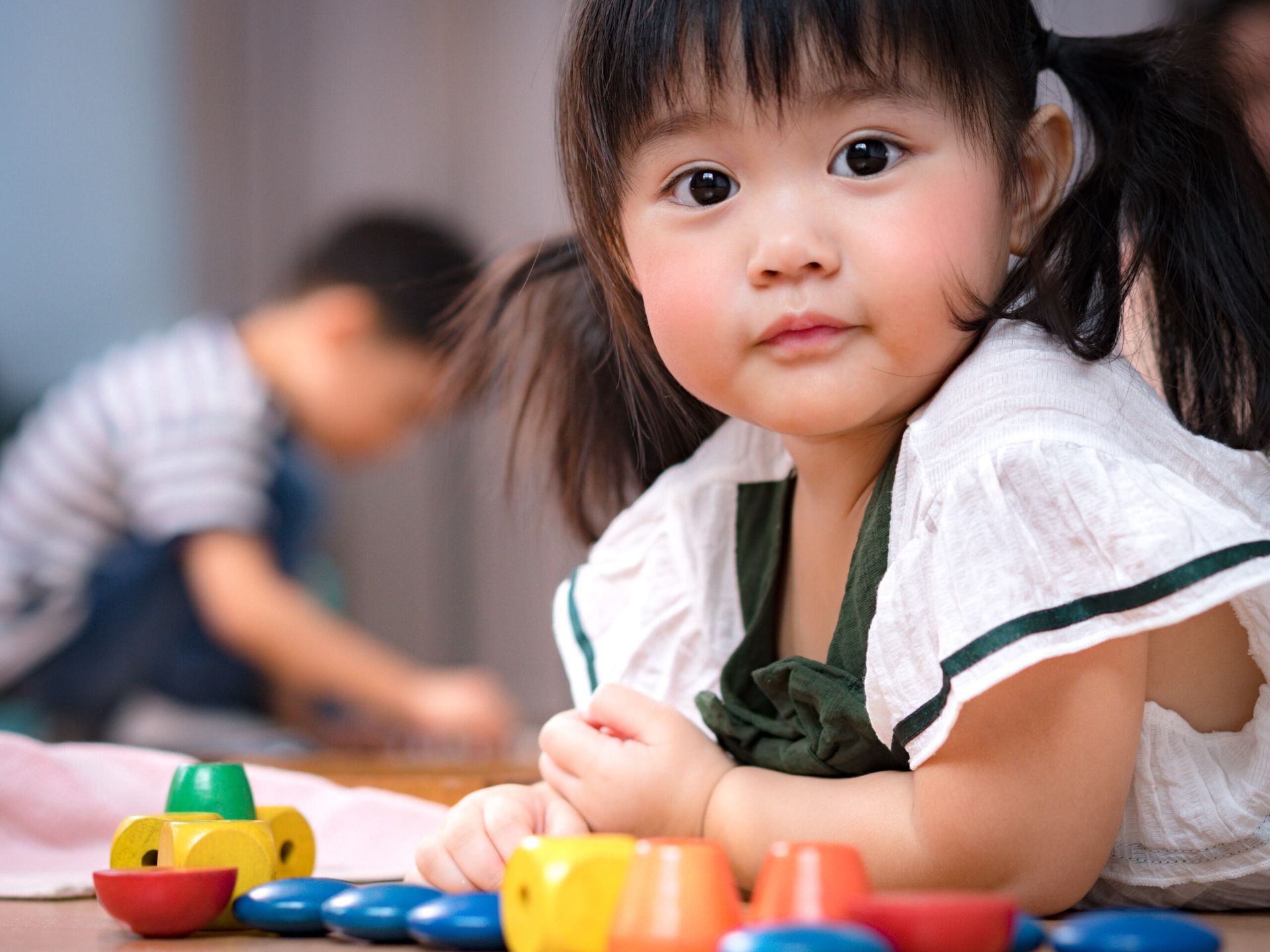
Between ages three and four, children are expected to use language confidently, clearly, and purposefully. This is the stage when language supports learning, friendships, and independence. For many families, it’s also the age when concerns become harder to ignore.
If you’ve found yourself thinking, “They talk a lot, but it’s still hard to understand,” or “Other kids seem so much more conversational,” you’re not alone—and you’re not overreacting.
What Language Development Typically Looks Like at 3–4 Years
During this stage, children are moving beyond simple phrases into more complex communication. Many children:
- Speak in full sentences
- Ask and answer questions
- Retell simple events or stories
- Are understood by unfamiliar listeners most of the time
- Use language to negotiate, explain, and express emotions
- Follow multi-step directions
Language at this age doesn’t need to be perfect—but it should be functional, flexible, and increasingly clear.
Common Concerns Parents Notice
Parents of preschoolers often hear reassurance like “They’ll grow out of it” or “Boys talk later.” While development varies, ongoing patterns deserve attention.
Common red flags at this age include:
- Speech that is difficult for unfamiliar listeners to understand
- Short, immature sentence structures
- Trouble answering questions or explaining ideas
- Difficulty following directions
- Limited vocabulary compared to peers
- Frustration, withdrawal, or acting out during communication demands
At 3–4 years, language challenges often start to impact preschool readiness, social relationships, and confidence.
Why Waiting Is Riskier at This Age
By preschool age, language is the tool children use to:
- Learn early academic concepts
- Participate in group activities
- Build friendships and manage conflict
- Express needs, thoughts, and emotions
When language skills lag, children may appear inattentive, shy, or behaviorally challenging—when in reality, they’re struggling to keep up linguistically.
Early support at this stage can prevent difficulties from carrying into kindergarten and beyond.
An Evaluation at 3–4 Years Is Highly Informative
A speech-language evaluation at this age looks at:
- Speech clarity and sound development
- Vocabulary and sentence structure
- Understanding of language
- Social communication skills
- Functional use of language in conversation
The goal is not to label—but to understand how your child communicates and what support would help most.
“They Talk—So Isn’t That Enough?”
Talking a lot doesn’t always mean communicating effectively. Some children:
- Use many words but lack clarity
- Repeat phrases without flexible language
- Struggle to organize thoughts
- Have difficulty being understood outside the home
Quantity of speech matters less than quality and effectiveness.
Trust What You’re Seeing
If you’re thinking:
- “Preschool is harder than I expected for them.”
- “They get frustrated trying to explain things.”
- “Their speech hasn’t improved much over the past year.”
Those patterns matter.
The Bottom Line: Preschool Is a Pivotal Window
Ages three to four are a critical time to support speech and language development. When children receive help during this window, progress is often faster—and school readiness is stronger.
👉 If you have concerns about your preschooler’s speech or language, a speech-language evaluation can provide clarity, reassurance, and a plan forward. Trust your instincts and take the next step—because strong communication builds confident learners.
Bright Blooms Therapy Blog