Why In-Home and School-Based Therapy Can Works Better Than Clinic-Based Care
Why Familiar Environments Lead to Stronger, Lasting Progress
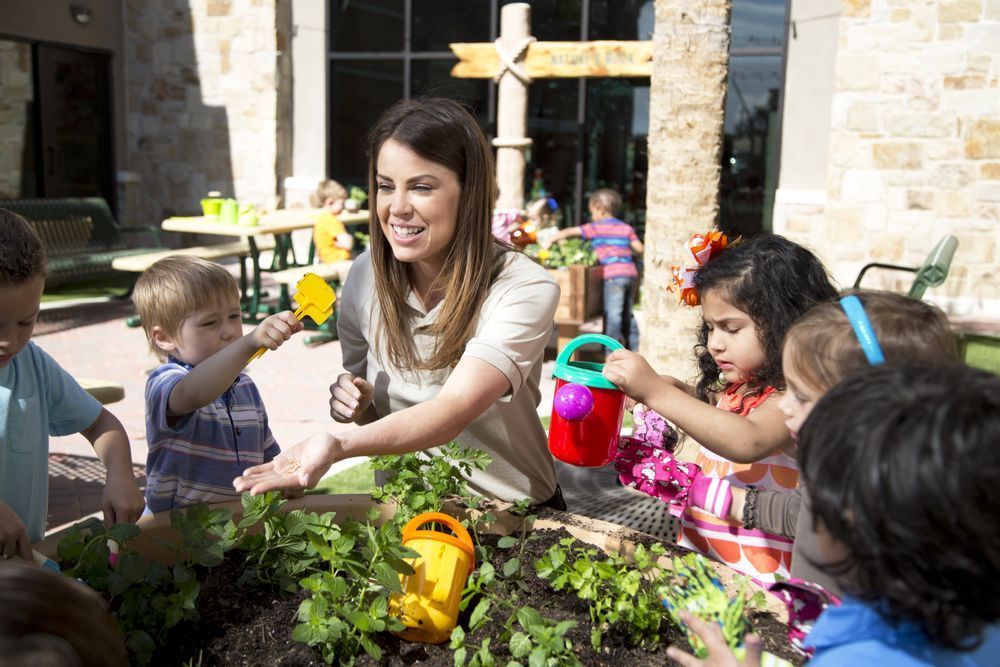
When families begin speech-language therapy, one of the first decisions they face is where services should happen. Traditional clinics can be effective—but for many children, therapy delivered in the home or at school leads to faster progress, stronger carryover, and less stress for everyone involved. Here’s why natural-environment therapy is often the better choice.
1. Children Learn Best Where They Live and Learn
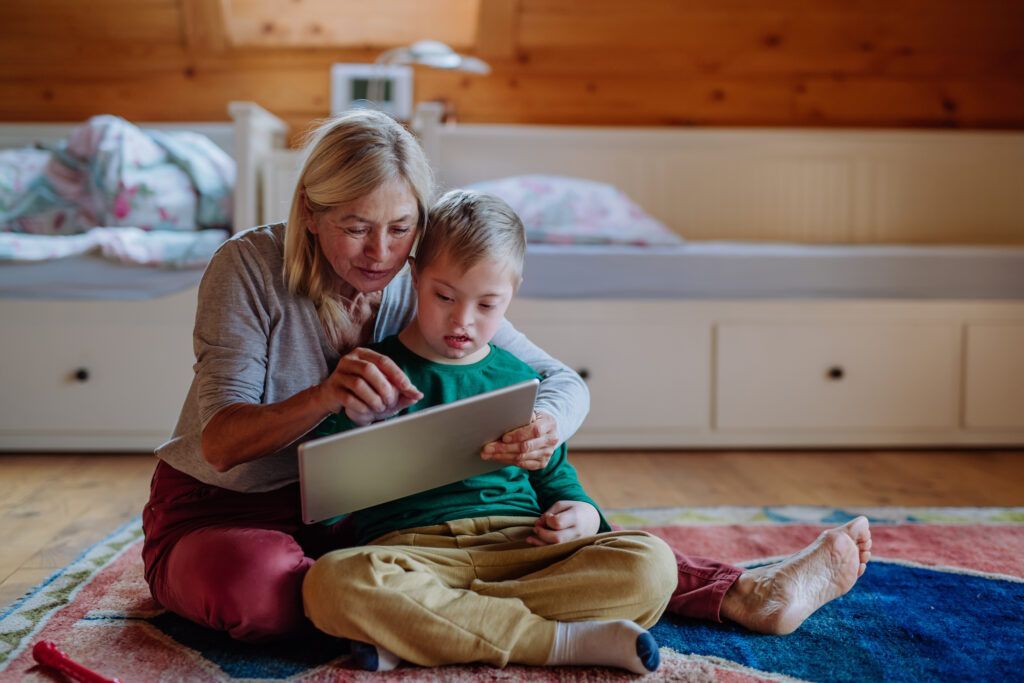
Skills stick when they’re practiced in real life. In-home and school-based therapy happens in the very places children use language every day—during meals, playtime, classroom routines, and peer interactions. Instead of learning a skill in a clinic and hoping it transfers later, children practice in context, which improves understanding and generalization.
2. More Natural Communication = More Meaningful Progress
Clinic rooms are structured and unfamiliar. Homes and schools are not. In familiar settings, children are more relaxed and communicative, which allows therapists to target functional, real-world goals—asking for help, following routines, interacting with peers, and participating in learning. This leads to progress families and teachers can see and use immediately.
3. Stronger Collaboration With Caregivers and Teachers
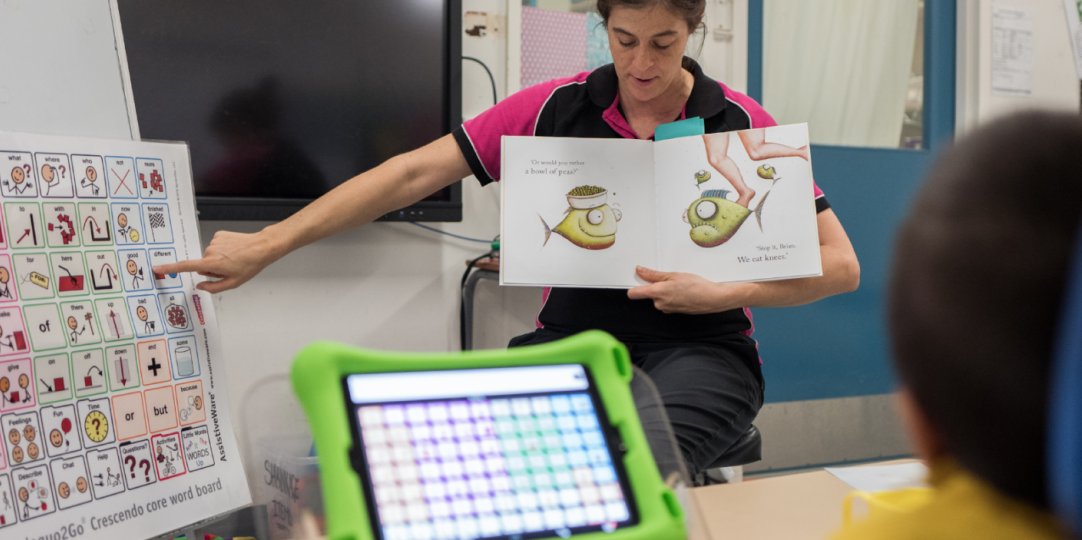
When therapy happens in the home or classroom, collaboration becomes effortless. Parents, caregivers, and educators can observe strategies in real time, ask questions, and learn how to support progress between sessions. This team-based approach creates consistency across environments, which is one of the strongest predictors of successful outcomes.
4. Less Disruption, Less Stress
Clinic visits often mean packing up, driving across town, sitting in waiting rooms, and rearranging schedules. In-home and school-based therapy eliminates travel time, reduces missed school or work, and allows therapy to fit naturally into a child’s day—resulting in better attendance and fewer canceled sessions.
5. Therapy That Reflects Real Challenges
In natural settings, therapists can identify and address challenges as they actually occur—difficulty following classroom directions, transitions at home, social interactions on the playground, or communication during routines. This allows treatment to be highly individualized and immediately relevant, rather than hypothetical.
6. Better Carryover = Better Outcomes
One of the biggest challenges in clinic-based therapy is carryover—getting skills to transfer outside the therapy room. In-home and school-based services remove that barrier, because therapy is already happening where the skills are needed most.
Is Clinic-Based Therapy Ever the Right Choice?
Clinic settings can be appropriate for certain specialized needs or when natural-environment services aren’t feasible. However, for many children—especially those working on early language, social communication, functional speech, or classroom participation—therapy in the home and schools provides a more holistic, effective approach.
The Bottom Line
Therapy doesn’t just happen in sessions—it happens in everyday moments. By meeting children where they live and learn, in-home and school-based therapy supports meaningful progress that lasts.
If you’re exploring therapy options and want a model that prioritizes real-world skills, collaboration, and convenience, natural-environment therapy may be the best fit for your child and family.
Bright Blooms Therapy Blog