When School-Based Therapy Isn’t Enough: Understanding the Gaps—and How Families Can Fill Them
Add a blog and update it regularly. It's a great way to stay in touch with site visitors.
If your child receives speech or language therapy at school through an IEP, you’re already advocating in an important way. School-based services are valuable and necessary—but many families begin to notice that progress feels slow, goals feel broad, or certain needs are never addressed at all.
This doesn’t mean your child’s school team isn’t trying. It means the school model has real limitations—and understanding them helps parents make informed decisions about additional support.
School-Based Therapy Has a Different Purpose
School therapy exists to support access to education, not to address every communication challenge a child may have. Services are designed to help a student participate in the classroom—not necessarily to remediate all underlying speech, language, or feeding needs.
This distinction matters.
The Reality of Group Therapy
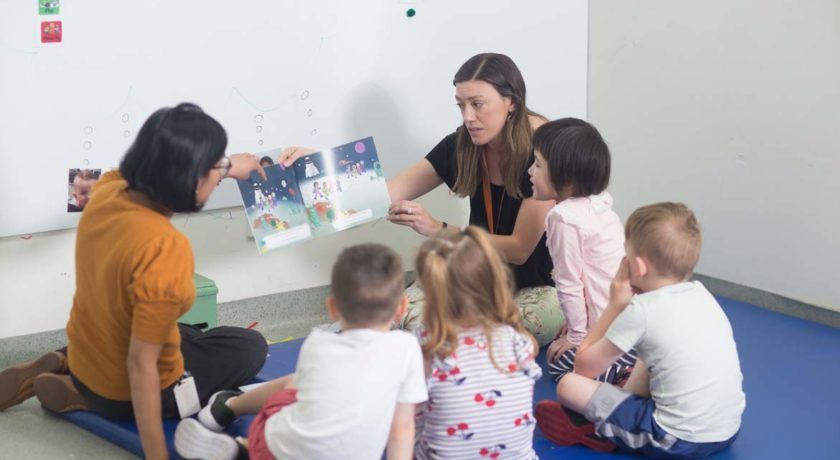
In schools, therapy is often provided in groups, sometimes with children working on very different goals at the same time. While group sessions can support social interaction, they also mean:
- Less individualized attention
- Less repetition per target
- Fewer opportunities to tailor strategies to how your child learns
When many skills are targeted at once, it can take a long time to see measurable progress in any single area.
Progress Can Be Slow
Schools aim to keep children in class as much as possible, which often means:
- Shorter therapy sessions
- Less frequent services
- Limited time for practice and feedback
This model prioritizes classroom exposure—but it can unintentionally slow skill development, especially for children who need intensive, focused support to build foundational skills.
Limits on What Schools Can Address
Many parents are surprised to learn that school-based therapy often cannot target:
- Spelling and literacy foundations (unless tied directly to access issues)
- Feeding or swallowing concerns
- Pragmatic/social skills outside of academic impact
- Executive functioning, organization, or carryover to home life
If a skill doesn’t clearly interfere with classroom performance, it may fall outside what the school can legally address—even if it significantly impacts your child’s daily life.
Carryover Is a Common Missing Piece
School therapy happens in one environment, often without direct parent involvement. Families may not:
- Observe sessions
- Receive consistent home strategies
- Understand how to support progress outside school
Without carryover, skills learned in therapy can stay in therapy—rather than showing up at home, in the community, or in real-life conversations.
This Is Where Outside Therapy Can Help
Private or supplemental therapy can:
- Provide individualized, one-on-one focus
- Target goals the school cannot address
- Increase intensity to support faster progress
- Connect skills across home, school, and daily routines
This isn’t about replacing school services—it’s about bridging the gaps so your child can truly move forward.
You’re Not Asking for Too Much
Wanting more progress doesn’t mean you’re impatient.
Wanting individualized goals doesn’t mean you’re ungrateful.
Wanting support beyond the school day means you understand your child’s needs.
Many families find that combining school-based therapy with outside support gives their child the best opportunity to grow—academically, socially, and functionally.
Trust What You’re Seeing
If you’re thinking:
- “We’ve been working on this for years.”
- “The goals keep changing, but nothing really improves.”
- “This affects life at home, but the school can’t address it.”
Those observations matter.
The Bottom Line
School-based therapy is an important foundation—but for many children, it isn’t enough on its own. When progress stalls or needs extend beyond the classroom, additional support can make all the difference.
If you’re wondering whether your child could benefit from more individualized, real-world therapy, that question alone is worth exploring.
You’re allowed to ask for more—and your child deserves support that meets their whole life, not just their school day.
Bright Blooms Therapy Blog